
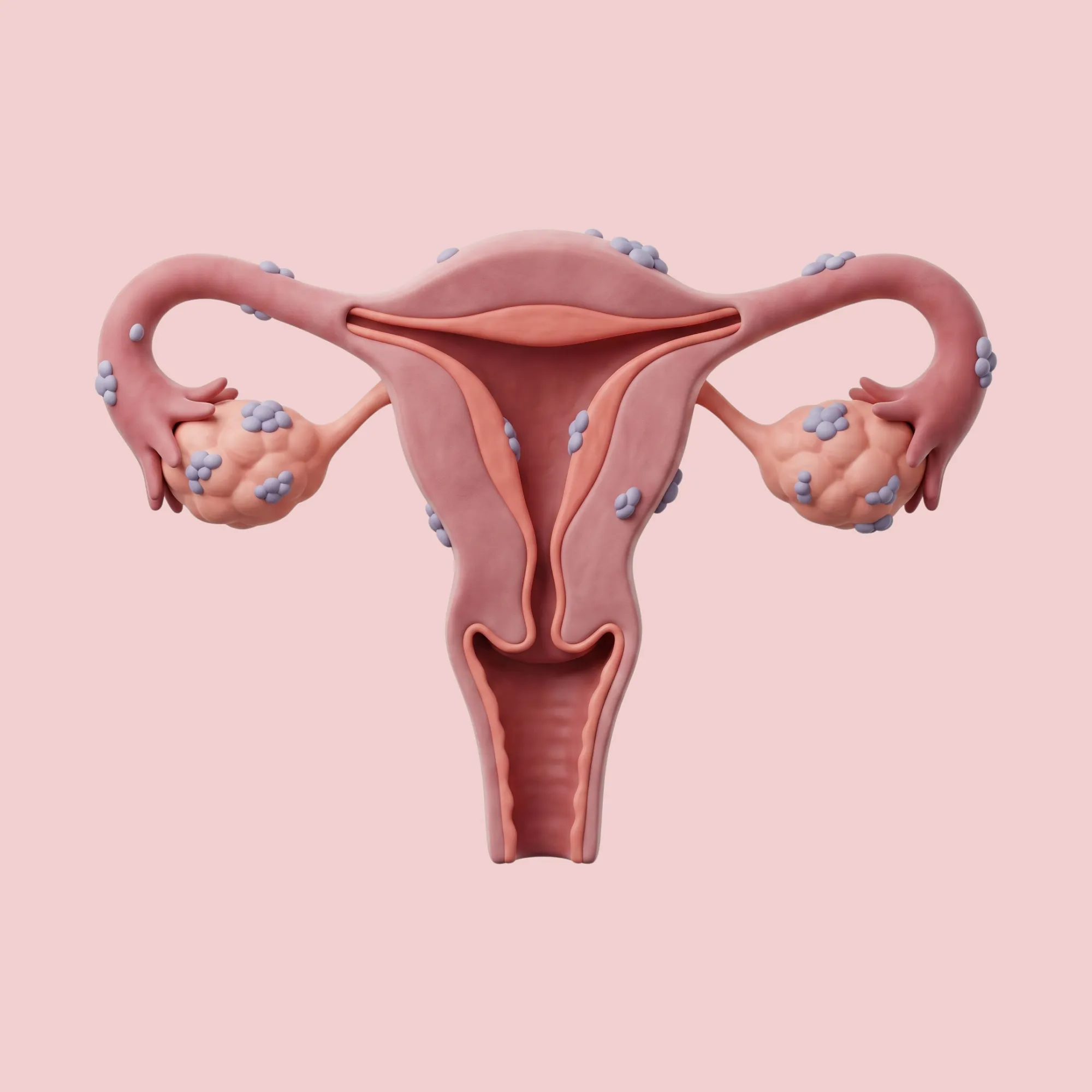
Endometriosis & adenomyosis
Tissue similar to the womb lining growing outside the womb (endometriosis) or within the womb muscle (adenomyosis). Common, benign and treatable.
Conditions
From everyday bleeding concerns through to complex pelvic pain, Mr Orabi assesses and treats the full range of benign gynaecological conditions. Choose a condition below to see symptoms, how it's diagnosed, treatment options, and related procedures.

Browse all conditions
Tissue similar to the womb lining growing outside the womb (endometriosis) or within the womb muscle (adenomyosis). Common, benign and treatable.
Non-cancerous muscular growths in or on the womb. Very common in women of childbearing age. Most can be managed without surgery.

Fluid-filled sacs that develop on the ovaries. Most are harmless and resolve on their own, but some need closer review.

Excessive or prolonged menstrual bleeding that affects daily life. Almost always treatable once the cause is identified.

Pain in the lower abdomen or pelvis: short-term, recurrent, or lasting longer than six months. Always worth investigating.
.DM5qhyWD_nDDee.webp)
Absent periods, either primary (periods never started) or secondary (periods have stopped). There is almost always an identifiable cause.

Conditions affecting the skin and tissues of the vulva, including itching, burning, soreness, skin changes and chronic pain.
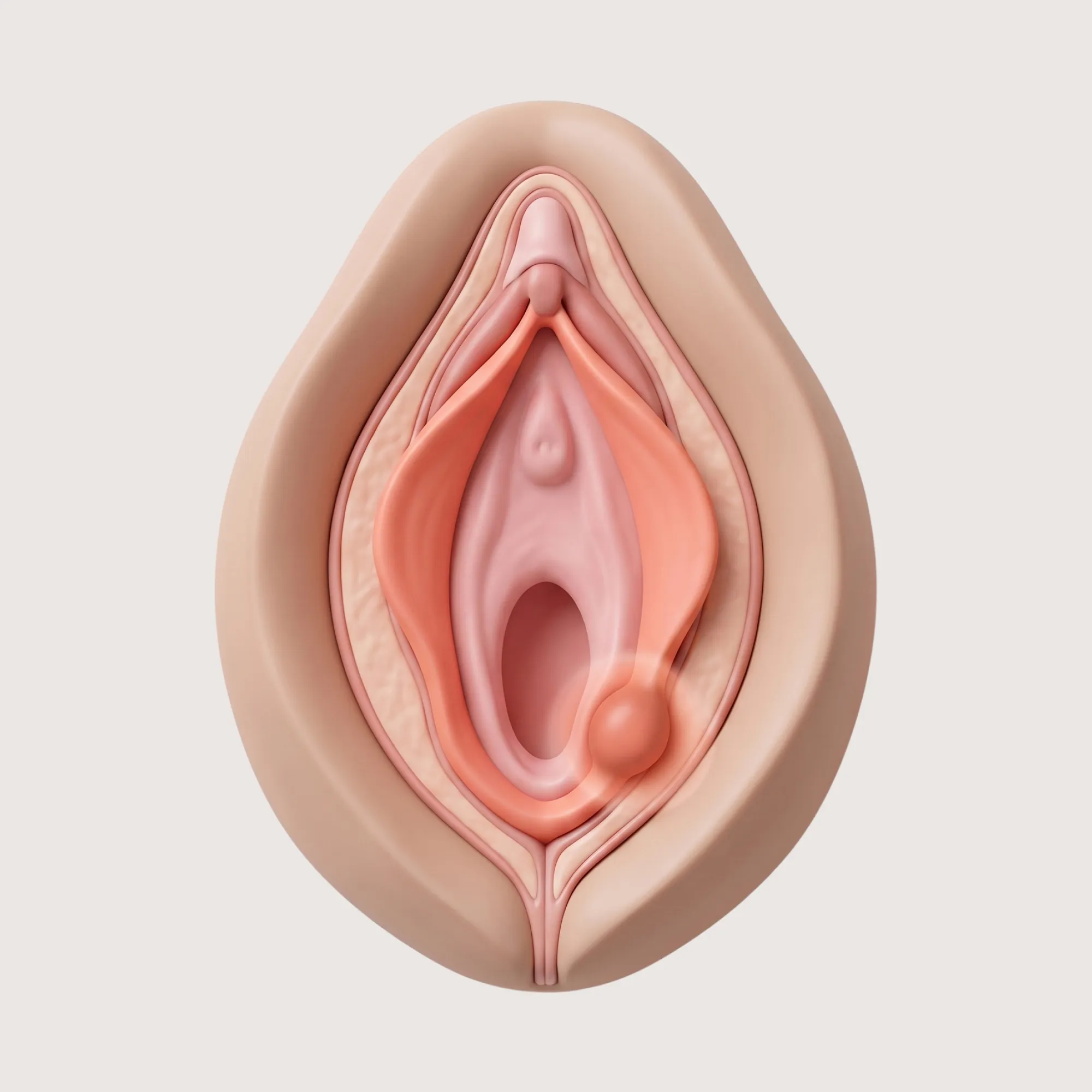
Blockage of the Bartholin gland, causing swelling at the entrance of the vagina. Usually treatable with drainage and, if recurrent, marsupialisation.
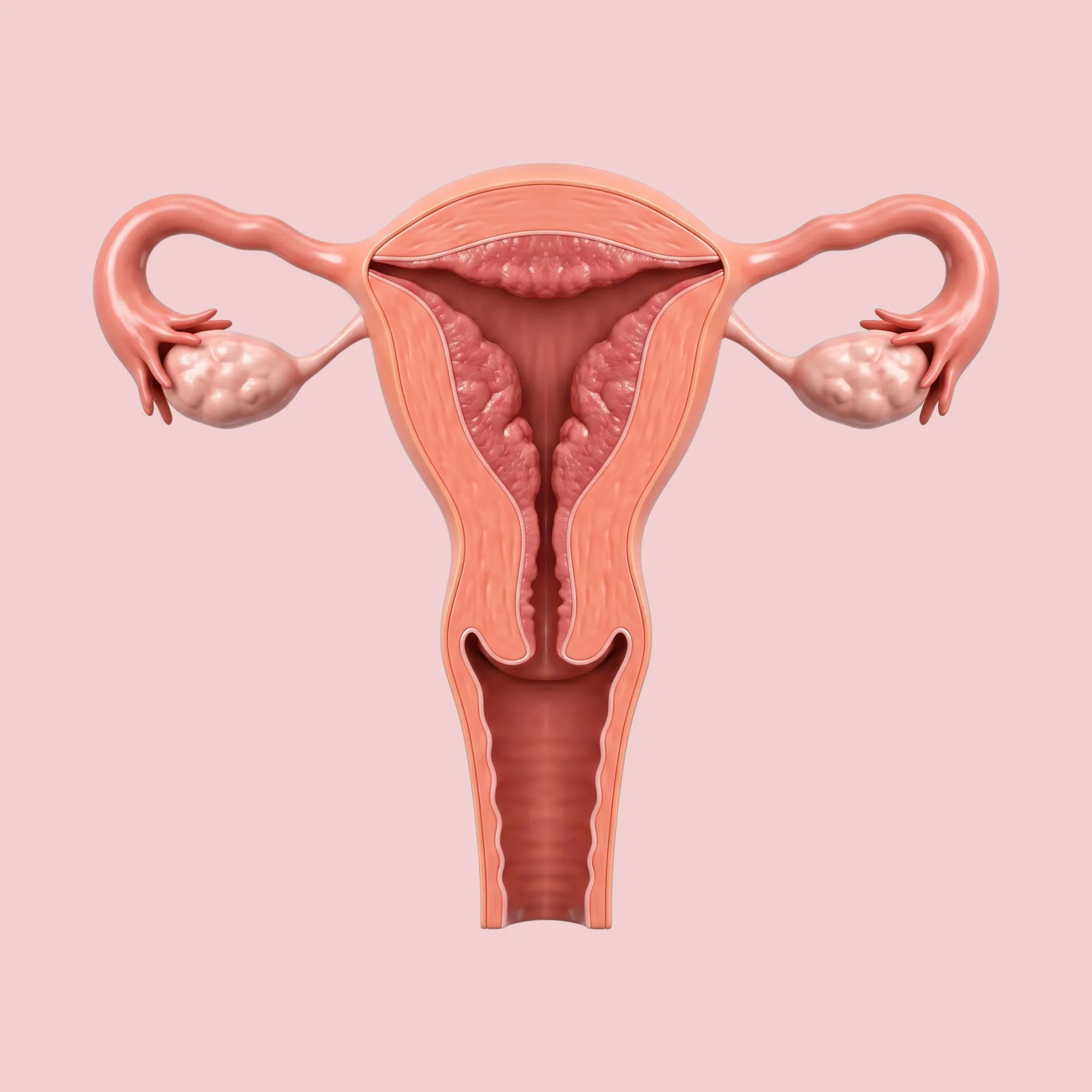
Thickening of the womb lining, sometimes with abnormal cells. Important to investigate, but usually treatable without surgery.

Any vaginal bleeding 12 months or more after your last period. Always needs prompt investigation; most causes are benign, but it should never be ignored.
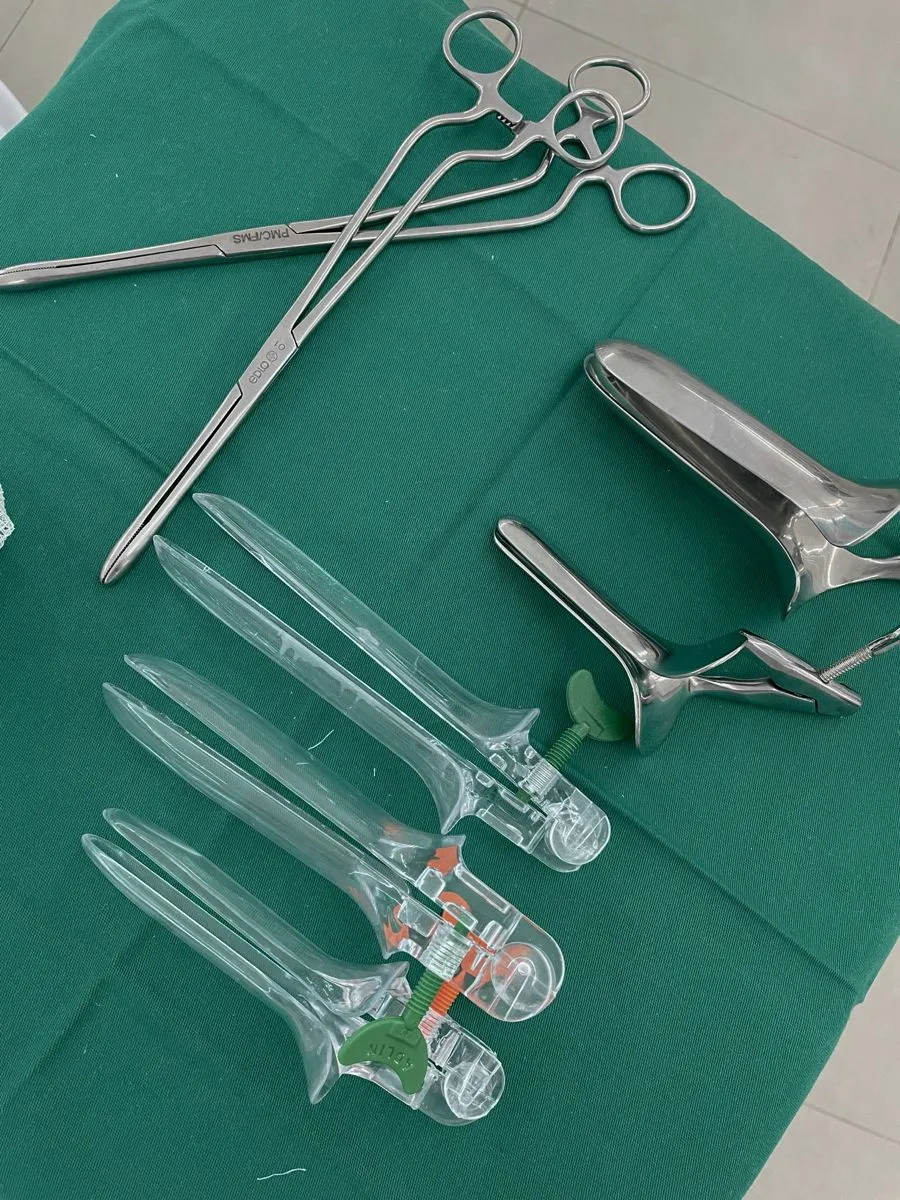
What it means if your cervical screening test detected HPV or showed cell changes, and how Mr Orabi's BSCCP-accredited colposcopy clinic follows that up.
.Dtj7zIAk_Z1UippR.webp)
Prompt assessment and urgent investigation of symptoms that could suggest a gynaecological cancer, with fast-track referral into specialist oncology care. Most women seen do not turn out to have cancer.